
Busbar Machines for Switchgear: Configure the Cell Around the Panel Mix
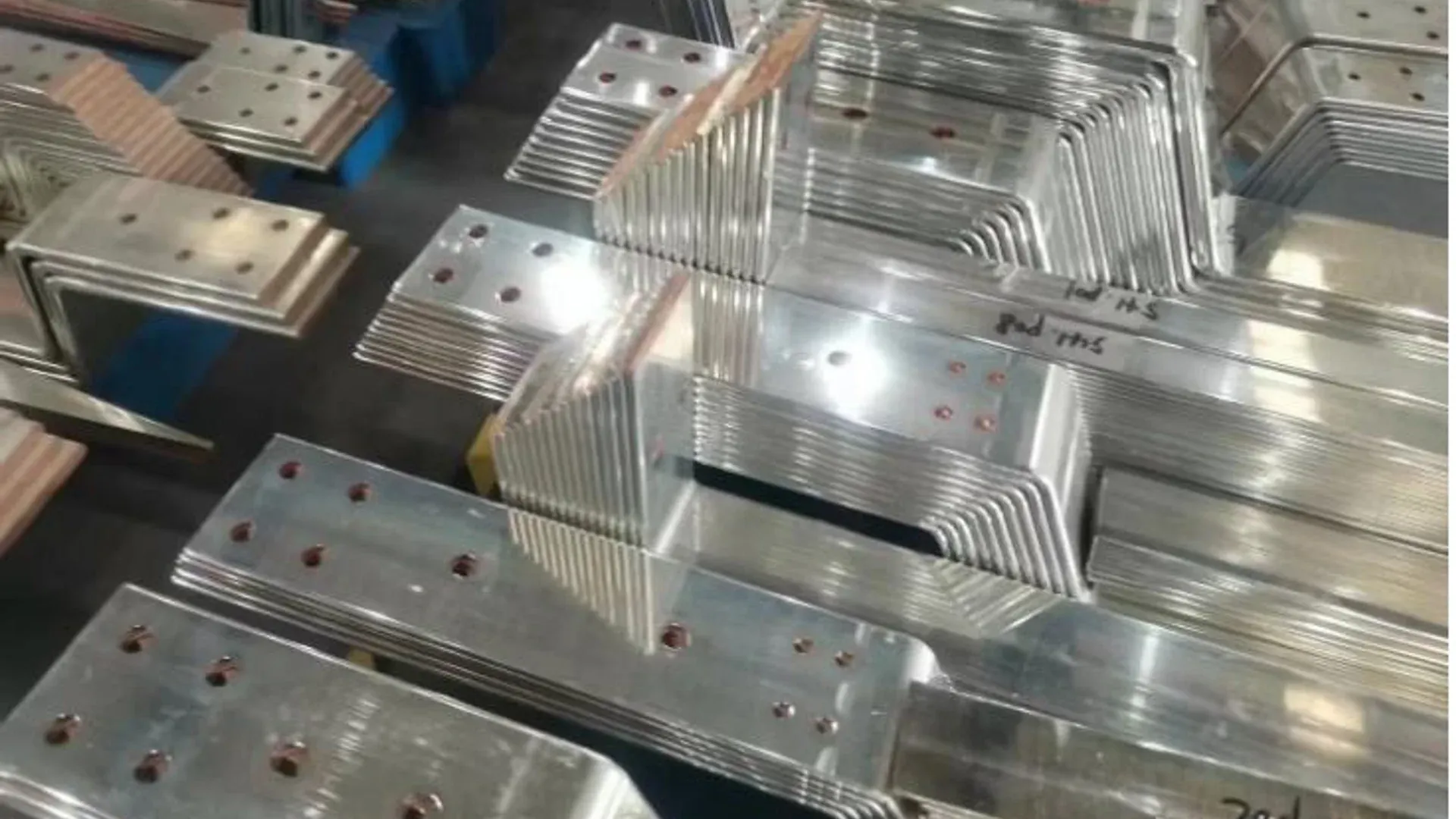
A busbar machine for switchgear should be selected from the panel maker’s routed part mix, not from the words automatic, CNC or 3-in-1 alone. A high-mix shop may gain more from fast changeovers and three available processes. A factory producing stable families with dense hole patterns may need a dedicated CNC punching and shearing cell plus a separate controlled bender.
That distinction matters as power-equipment producers prepare for sustained electricity-system investment. The IEA’s Electricity 2026 outlook forecasts global electricity demand growth averaging 3.6% a year from 2026 through 2030. This does not predict demand for any one machine, but it does make a practical point: a switchgear factory should buy capacity that can be demonstrated and expanded, not capacity inferred from a brochure.
Start with the panel mix, not the machine label
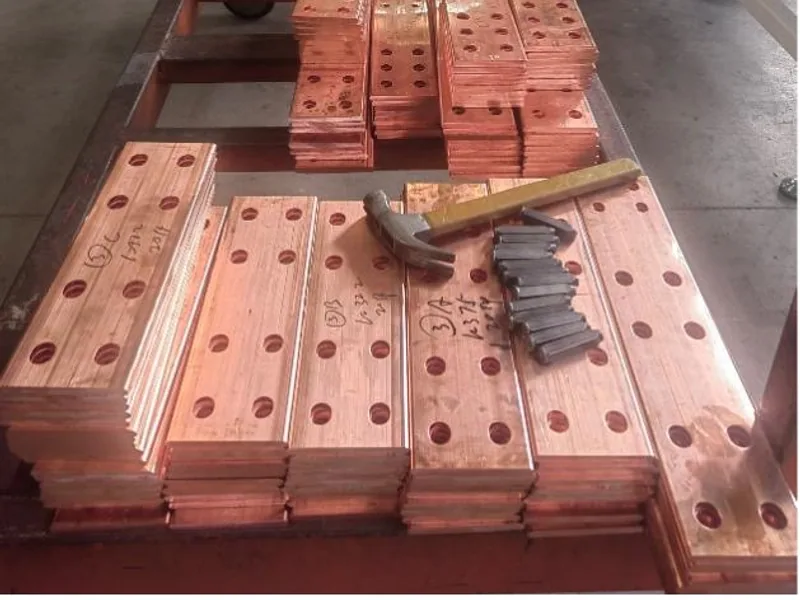
Begin with six to twelve months of released or representative busbar drawings. Group parts by route rather than customer name. Two visually different parts may use the same route; two parts from the same panel may create very different machine loads.
Record at least these fields for every family:
| Part-family field | Why it changes equipment selection |
|---|---|
| Material, width and thickness | Sets the working envelope and affects punching, shearing and bending force |
| Bar length and finished-part weight | Determines support, handling and usable floor space |
| Hole count, shapes and pitch | Defines punching workload, turret requirements and positioning demand |
| Bend count and type | Separates flat bends from vertical, offset, Z, U or twist operations |
| Batch size and repeat frequency | Indicates whether setup flexibility or repeated automatic motion matters more |
| Inspection features | Identifies where first-piece checks and in-process holds interrupt the route |
Do not average away the difficult parts. The largest bar, densest hole pattern and most awkward bend may occur infrequently, yet still determine whether the cell can complete a contracted panel without outsourcing.
The switchgear manufacturing reference provides the broader design and verification context. For machine selection, the key output is a route matrix showing how many parts require punching, cutting, bending and secondary work in each production period.
Choose the architecture around the actual bottleneck
A 3-in-1 workstation for changing work
A multi-function machine is useful when a shop needs all three processes but does not have a stable, dominant CNC punching workload. Separate stations can also allow operators to punch, shear and bend different parts without moving between three independent machines.
The published specification for the DH303-8P 3-in-1 busbar machine lists three independent hydraulic circuits, an eight-station turret, maximum flat bending capacity of 15 × 160 mm and bending accuracy of ±0.5°. Those numbers define a candidate envelope; they do not prove that a particular panel family will meet takt time or inspection requirements. A buyer still needs a trial using its own material, dies and drawings.
This architecture tends to fit repair work, engineering changes, replacement panels and small-to-medium batches. Its weakness appears when a dense punching queue keeps one station busy while handling and inspection constrain the other work.
Dedicated punching and bending for stable demand
A dedicated CNC punching and shearing machine is easier to justify when repeated part families create a sustained hole-making bottleneck. The DHCNC-BP-60 punching and shearing workstation publishes a 600 kN nominal force, a 6,000 × 200 × 15 mm maximum workpiece envelope, up to 140 strokes per minute and ±0.20 mm/m hole-pitch accuracy.
The stroke rate is only one element of capacity. Loading, repositioning, drawing preparation, tool selection, first-piece approval and part removal remain part of the route. Pairing the punch-and-shear unit with a separate servo-hydraulic busbar bender can protect bending capacity from the punching queue and make the two processes easier to balance.
Use the separate architecture when the timed part mix shows that parallel machines remove a real bottleneck. Do not buy it merely because a larger line appears more advanced.
Test normal, peak and exception work
A single perfect sample is a weak basis for a capital decision. Build three trial groups instead:
- Normal group: the part families that occupy most production hours.
- Peak group: the thickest, longest or most heavily punched parts that stress the working envelope.
- Exception group: short runs, drawing revisions, replacement parts and unusual tools that reveal changeover behavior.
For each group, time the complete route from released program to inspected part. Record operator touch time separately from machine motion. Include tool retrieval, setup confirmation, scrap removal, first-piece measurement and any manual re-entry of dimensions.
The existing capacity and OEE guide explains how to convert these observations into equipment demand without treating a theoretical cycle as available production time. A simple base, peak and disruption comparison is enough; the buying decision does not require a complicated calculator.
Treat changeover as a production feature
Switchgear work frequently combines repeated feeder parts with low-volume incomers, couplers and project-specific links. A supplier demonstration should therefore show more than a long repeat run.
Ask the operator to load a new drawing, identify the required tools, change one punch-and-die pair, set the bending tool, make a first part, inspect it and restart after a controlled interruption. Observe which values are stored, which must be typed again and how the machine prevents the wrong tool or program from being used.
If multiple operators will share the cell, verify program naming, permissions and revision handling. A touchscreen can simplify operation, but it does not by itself prevent an obsolete drawing from returning to production.
Verify durability under the intended duty cycle
Durability cannot be established by frame weight or component brand alone. The useful question is whether the complete system remains stable through the buyer’s expected warm production period.
Run enough repeated work for the hydraulic system, guides, tooling and control cabinet to reach normal operating condition. During the trial, record:
- dimensional drift from the first inspected piece to later samples;
- oil temperature and any cooling or pause requirement;
- abnormal vibration, leakage, pressure instability or tool movement;
- alarm history and the steps needed to recover a stopped job;
- time and access needed for lubrication, tool inspection and routine cleaning.
Then review the maintenance schedule and critical-spares proposal against actual access and replacement steps. A branded valve or controller is helpful only when the exact part number, backup, diagnostic information and supply responsibility are documented.
Build the RFQ from evidence the supplier can reproduce
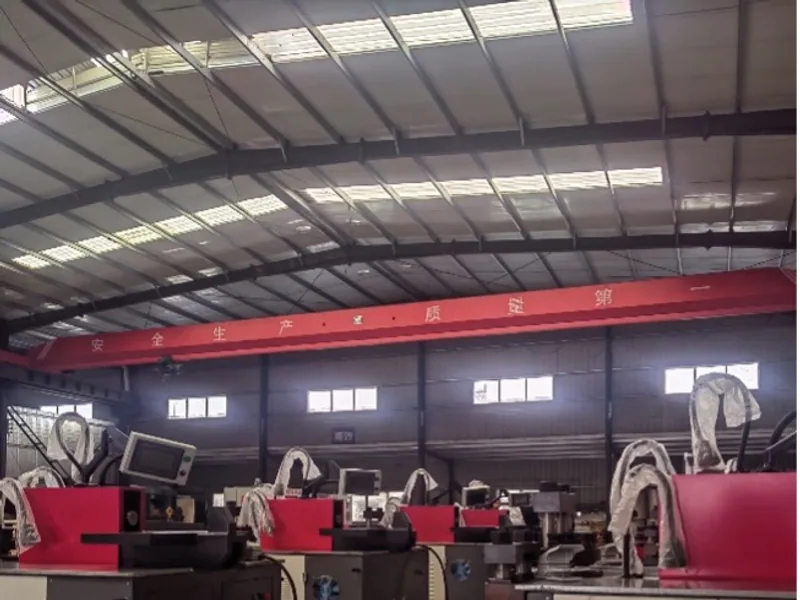
Send suppliers the same part-family table, representative drawings, material condition and required operating scenario. Specify the machine boundary: stock support, tooling, software, electrical configuration, installation work and inspection equipment should be clearly included or excluded.
The CNC busbar machine RFQ checklist provides the complete commercial structure. For the switchgear cell itself, require each bidder to return four things in the same format:
- a route proposal showing which machine performs each operation;
- a tooling list tied to the representative drawings;
- a timed demonstration with separate machine and operator time;
- an exception list identifying parts or processes outside the proposed scope.
That response makes a 3-in-1 workstation, a dedicated punching line and a split cell comparable on the work that matters. It also creates a clear bridge from the application requirement to the switchgear busbar machine solution and the final product specification.
Frequently Asked Questions (FAQs)
Which busbar machine is suitable for a small switchgear workshop?
A 3-in-1 workstation is often suitable when floor space is limited, batches change frequently and punching, shearing and bending must remain available at the same time. Confirm the largest busbar, required dies, staffing plan and representative cycle before selecting it.
When should a switchgear factory use separate punching and bending machines?
Separate machines are usually justified when repeated hole patterns create a stable punching bottleneck, bending needs tighter control, or parallel operation is more valuable than keeping every process on one frame. The decision should come from routed part demand and a timed trial.
Does a higher punching rate guarantee more finished switchgear panels?
No. Finished-panel output also depends on loading, programming, tool changes, bending, deburring, inspection and assembly. Measure the full representative route rather than converting a headline stroke rate directly into panel capacity.
How should durability be checked before buying a hydraulic busbar machine?
Run a warm, repeated production trial with buyer-selected parts and record dimensional results, oil temperature, cycle interruptions, alarms and recovery steps. Also verify the preventive-maintenance plan, critical spares and support responsibility.
DH303-8P 3-in-1 CNC Busbar Processing Machine
Discover details, parameters, standard dies packages, and factory quotes.