
What Is the True ROI of Upgrading to an Automated CNC Busbar Processing Machine?
A capital-equipment decision should be justified with plant-specific evidence. For a team using manual hydraulic tools, the relevant baseline includes direct labor, measured scrap, rework, setup time, inspection effort, uptime and the part mix expected during the evaluation period.
How Does a CNC Busbar Machine Directly Improve Financial ROI?
A CNC busbar processing machine may change labor, material yield and rework, but ROI is not universal. Compare busbar machine manufacturers using a common trial drawing set and quotation scope. Calculate switchgear fabrication ROI from the buyer’s measured before-and-after values, including tooling, software, freight, commissioning, maintenance, training and financing.
What Are the Hidden Costs of Manual Busbar Fabrication?
To understand the ROI of automation, we must first calculate the unseen “cost of poor quality” (COPQ) inherent in manual processing.
| Operational Cost Center | Manual Hydraulic Tools | Automated CNC Processing | ROI Financial Impact |
|---|---|---|---|
| Copper Scrap & Waste | Operator miscalculations cause incorrect cuts (5-8% scrap rate). | 3D CAD nesting calculates exact cut lengths (< 1% scrap). | Direct savings on raw T2 copper purchasing budgets. |
| Labor Hours per Busbar | Requires setup, marking, and checking for every bend. | Program once, run infinite identical batches automatically. | Reduces direct labor costs by up to 60%, alleviating skilled worker shortages. |
| Assembly Floor Bottlenecks | Inaccurate bends force assemblers to force-fit or redrill holes. | 100% dimensional accuracy ensures immediate drop-in assembly. | Increases total factory throughput and cabinet shipment volume. |
[!TIP] Do not underestimate the cost of rework. If a manual operator bends a massive 120x10mm copper bar incorrectly, that entire piece is ruined and must be sold as scrap at a fraction of its original purchase price. Explore our multi-function equipment lineup to see how automation prevents these errors.
How Does Automation Solve the Skilled Labor Shortage?
In 2026, finding and retaining highly skilled machinists capable of reading complex electrical schematics and manually calculating bend deductions is exceptionally difficult. A recent industrial report by McKinsey & Company highlighted that the widening skills gap in heavy manufacturing is the leading cause of production delays.
By deploying a centralized CNC system, the “skill” is transferred from the operator’s hands into the machine’s software. The Boston Consulting Group notes that facilities investing in software-driven manufacturing significantly lower their training costs. An entry-level operator can safely load copper and press “Start” while the CNC controller handles the complex trigonometry required for springback compensation. Organizations like the Society of Manufacturing Engineers (SME) and the Fabricators & Manufacturers Association (FMA) consistently advocate that upgrading legacy forming equipment is the most direct path to insulating a business against labor volatility.
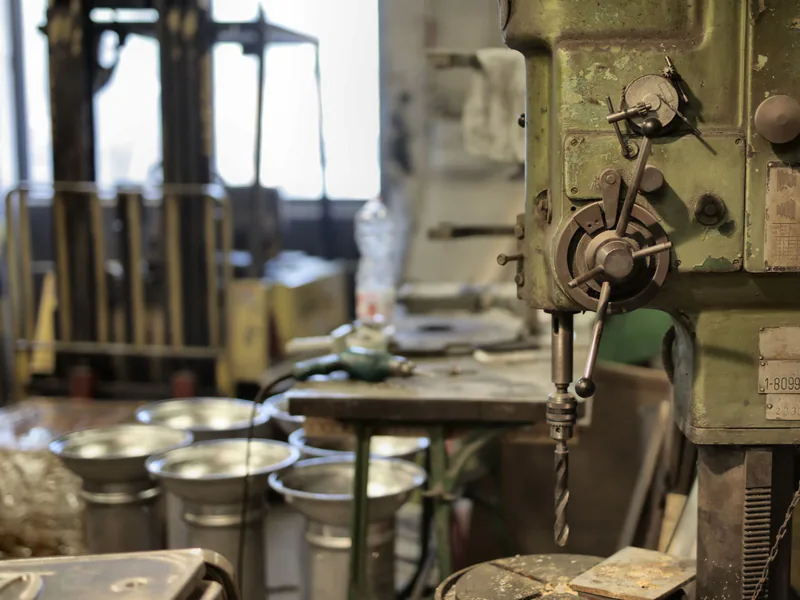
When you partner with leading busbar machine manufacturers, you are not just buying hydraulic cylinders; you are acquiring a digital ecosystem that safeguards your profit margins against an unpredictable workforce and volatile material costs.
Frequently Asked Questions (FAQs)
How quickly does a CNC busbar processing machine pay for itself?
For a medium-sized switchgear facility processing 5 to 10 tons of copper monthly, the true ROI of a CNC busbar machine typically occurs within 9 to 14 months. This rapid payback is driven by a 60% reduction in direct labor hours, a 5% drop in copper scrap waste through advanced 3D nesting, and zero costs associated with IEC compliance re-work.
Why should we upgrade from manual busbar tools if they still work?
Manual hydraulic tools rely heavily on operator skill, leading to inconsistent bending angles and punching misalignments. In the high-stakes 2026 switchgear market, these inaccuracies cause assembly bottlenecks and thermal failures in the field. An automated CNC system guarantees 100% repeatability, instantly removing the human-error bottleneck from your factory floor.
DH303-8P 3-in-1 CNC Busbar Processing Machine
Discover details, parameters, standard dies packages, and factory quotes.