
Substation Busbar Fabrication Equipment: Specify a Heavy-Copper Line
Substation busbar fabrication equipment should be purchased as a heavy-copper cell, not as an isolated press. The machine must fit the material and geometry, while the surrounding stock rack, supports, lifting method, inspection area and process handoffs must keep a long conductor controlled from receipt to finished-part release.
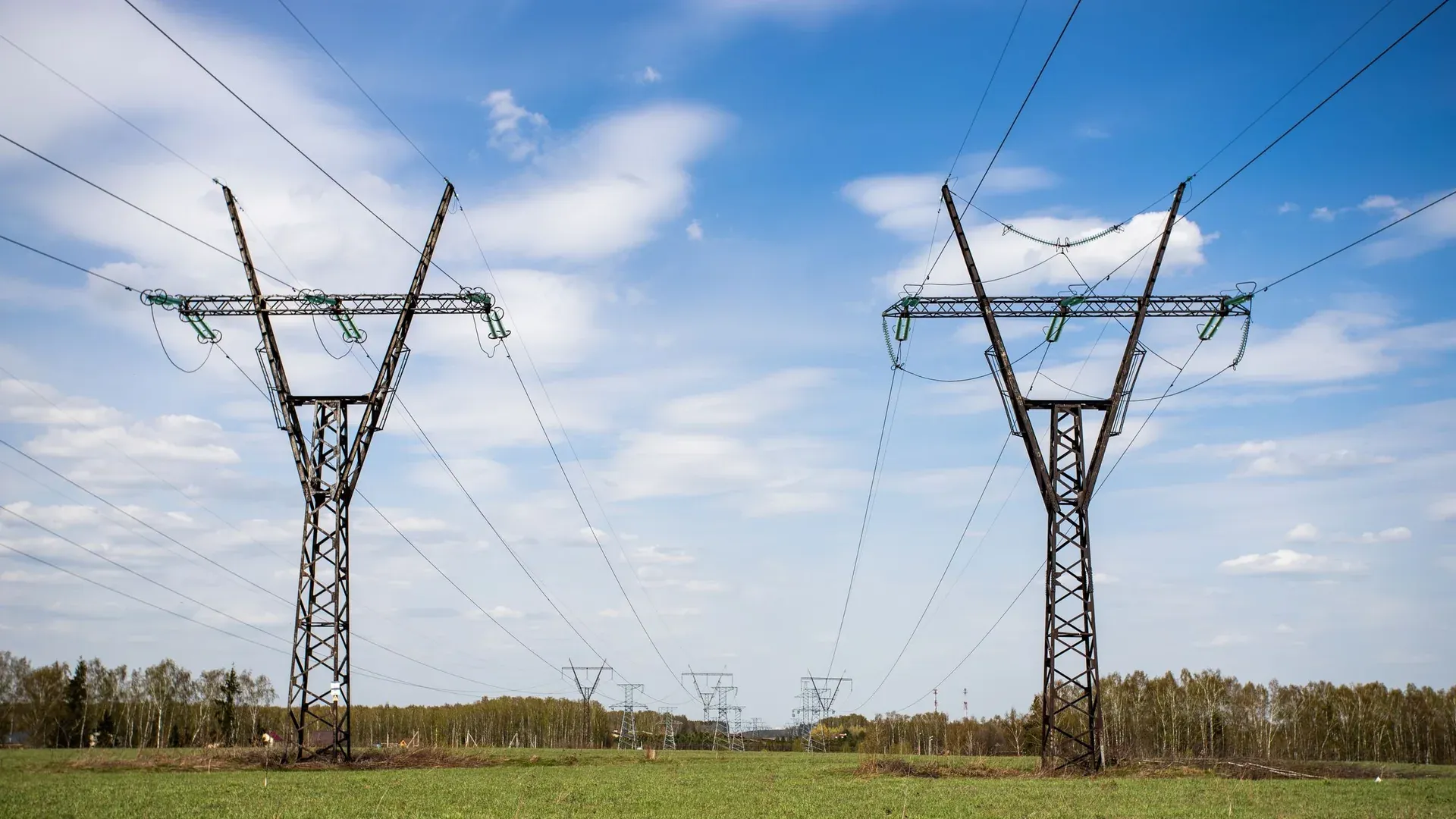
The investment background is substantial. The IEA’s Electricity 2026 grid analysis reports that more than 2,500 GW of generation, storage and large-load projects are waiting in grid connection queues worldwide. It estimates that annual grid investment needs to rise by about 50% by 2030 from roughly USD 400 billion today. This does not translate directly into a busbar-machine forecast, but it does increase the value of repeatable, documented production capacity for grid-equipment suppliers.
Define the heavy-copper product envelope
Start with released or representative conductors from the actual voltage class and assembly design. Electrical current does not by itself specify a bar-processing machine. The finished cross-section, hole pattern, joint design, support layout and thermal or short-circuit verification remain product-engineering decisions.
Build an envelope using these fields:
- material grade, temper, plating or insulation condition;
- stock width, thickness and length;
- finished length, weight and center-of-gravity changes after bending;
- hole diameters, slots, countersinks or machined features;
- flat, vertical, offset, Z, U or twist bends;
- contact surfaces and protected areas;
- monthly quantities, batch sizes and expected peaks.
The short-circuit withstand guide helps engineering teams connect conductor and support decisions to the electrical design. The fabrication RFQ should then translate the released geometry into operations without changing those design requirements.
Separate punching, cutting and bending limits
Do not use one “maximum busbar size” row for every process. Punching capacity depends on perimeter, material and thickness. Shearing depends on cross-section, blade condition, clamping and required edge. Bending depends on the material, radius, width, orientation, tool and available clearance.
For long parts with repeated terminal holes, the DHCNC-BP-60 CNC punching and shearing workstation publishes a 6,000 × 200 × 15 mm maximum workpiece envelope, 600 kN nominal force and ±0.20 mm/m hole-pitch accuracy. A buyer should treat these as screening specifications and then run the actual long conductor with the ordered die set.
Where a part needs controlled offsets, vertical bends or other formed geometry, a separate servo-hydraulic bending machine may be appropriate. The supplier must show that the finished legs can enter, remain supported and leave the tool without collision.
Design material flow before placing the machine
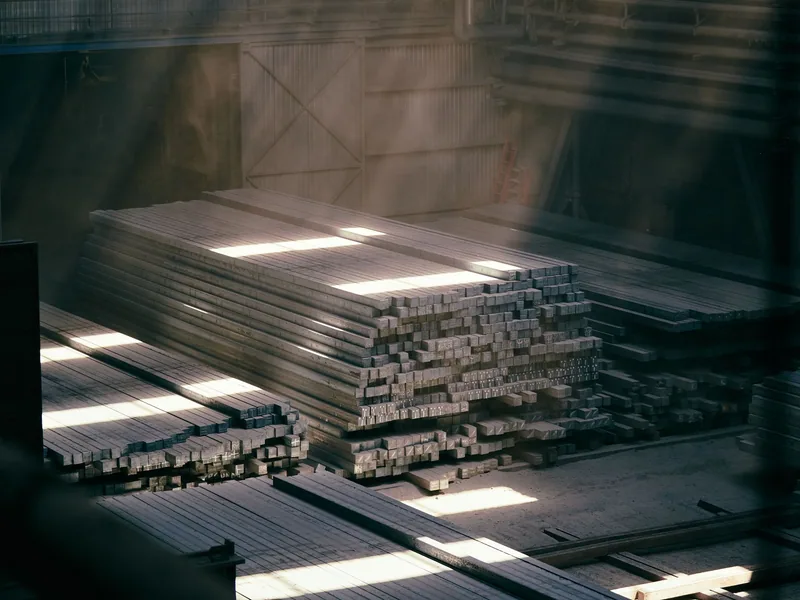
Heavy-copper work becomes unsafe and inaccurate when the machine is installed first and material flow is improvised later. Draw the full path at scale:
- incoming stock inspection and lot identification;
- horizontal storage with protected separation;
- transfer to the first process without dragging contact faces;
- supported infeed and outfeed through cutting or punching;
- controlled transfer to bending and secondary work;
- free-state inspection and segregated finished-part storage.
Mark the swing area of long stock and every point where an operator may be trapped between the conductor, machine and building structure. Confirm that cranes, manipulators or carts can approach the machine without crossing a control station or an inspection zone.
Support height and alignment should be adjustable and recorded. A roller that sits below the machine datum can make the tail pull downward; one that sits above it can lift the part against a clamp or reference. Either condition can change the way a long bar locates.
Control the handoff between operations
A substation conductor may leave the CNC cell for drilling, milling, deburring, cleaning, plating, insulation or assembly. State which dimensions are complete at each handoff and which surfaces must remain protected.
Use a traveler or digital record that carries the drawing revision, material lot, program identifier, tool set and inspection status. If a hole will be reamed or machined later, do not accept the earlier process against the final feature tolerance. If a plated contact face must be bent, establish how the tool and support will prevent damage.
This process control is more useful than calling the whole route “automatic.” Most heavy-copper lines retain manual decisions around lifting, first-piece approval, exception parts and quality holds.
Include the site in the equipment specification
Long-stock access, floor condition, electrical supply, ambient temperature and lifting capacity should be confirmed before shipment. The machine footprint is only part of the required space. Add service clearance, tooling access, stock support, operator movement and the full travel or swing of the workpiece.
The installation site-readiness checklist covers delivery routes, utilities and acceptance gates. For a heavy-copper cell, also confirm the rated load and usable reach of handling equipment at the exact pickup positions.
If the project will use a customized plant voltage or frequency, put the delivered electrical configuration, protective devices, documentation and nameplate data in the order. Do not treat a field transformer or later motor change as an unstated installation assumption.
Accept the line with a difficult buyer part
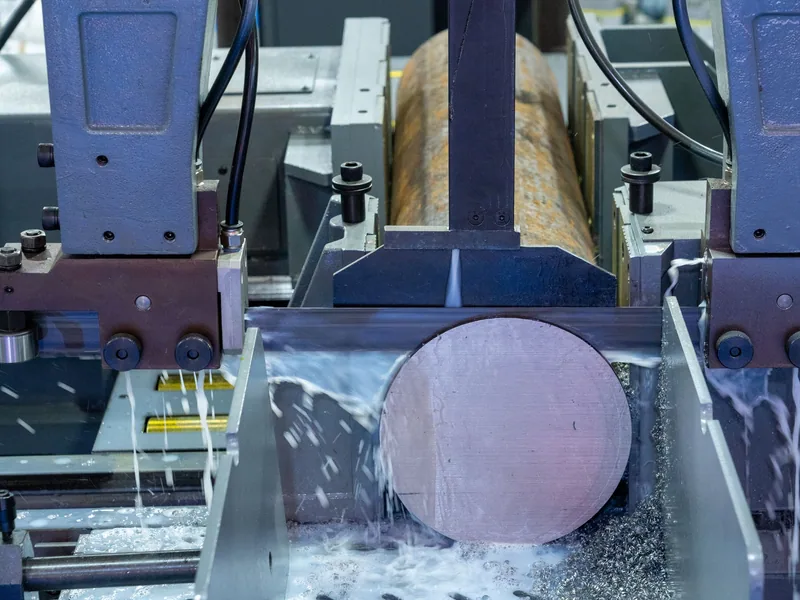
An empty cycle or short copper coupon cannot validate long-part behavior. Select an acceptance conductor that challenges length, weight, terminal geometry and at least one restrictive bend. Use the buyer’s production material and released drawing revision.
Record:
- support positions and handling method;
- program and tool identifiers;
- hole position from the drawing datums;
- cut-end squareness and visible edge condition;
- bend angle and free-state finished geometry;
- scratches, dents or clamp marks on protected areas;
- cycle interruptions and recovery steps.
The FAT and SAT protocol should define who measures, which instrument is used and what happens after a failure. Repeat the site test after installation with the agreed support arrangement rather than assuming the factory result transfers automatically.
Request one integrated scope with explicit exclusions
A complete quotation should list the processing machines, dies, stock supports, lifting aids, software, electrical configuration, commissioning, training and measurement responsibility. It should also identify every operation outside the supplier’s scope.
The substation and power-distribution solution provides the application starting point. Send the product-envelope matrix and buyer drawings with the inquiry so the response can be evaluated as a reproducible process, not as a generic “heavy-duty” label.
Frequently Asked Questions (FAQs)
What equipment is required for substation busbar fabrication?
A rigid-busbar line may require stock storage, supported loading, controlled cutting and hole making, bending, edge finishing, cleaning, inspection and safe transfer. Drilling, milling, plating, insulation and assembly may remain separate depending on the released drawings.
How should a heavy-duty busbar machine be sized?
Size it from the largest material cross-section, longest workpiece, required holes and bends, finished-part clearance and planned duty cycle. Nominal force alone does not prove that the complete part can be loaded, processed and removed safely.
Why does long-part support affect busbar accuracy?
An unsupported or misaligned tail can pull against the machine datum, introduce friction and damage the surface. Infeed, intermediate and outfeed supports should be treated as part of the accepted process setup.
What is the best FAT sample for a substation busbar line?
Use a buyer-selected long and heavy conductor with representative terminal holes and the most restrictive bend or finished envelope. Inspect the free-state geometry, hole position, cut end, bend result and handling marks.
DHCNC-BP-60 CNC Punching & Shearing Workstation
Discover details, parameters, standard dies packages, and factory quotes.