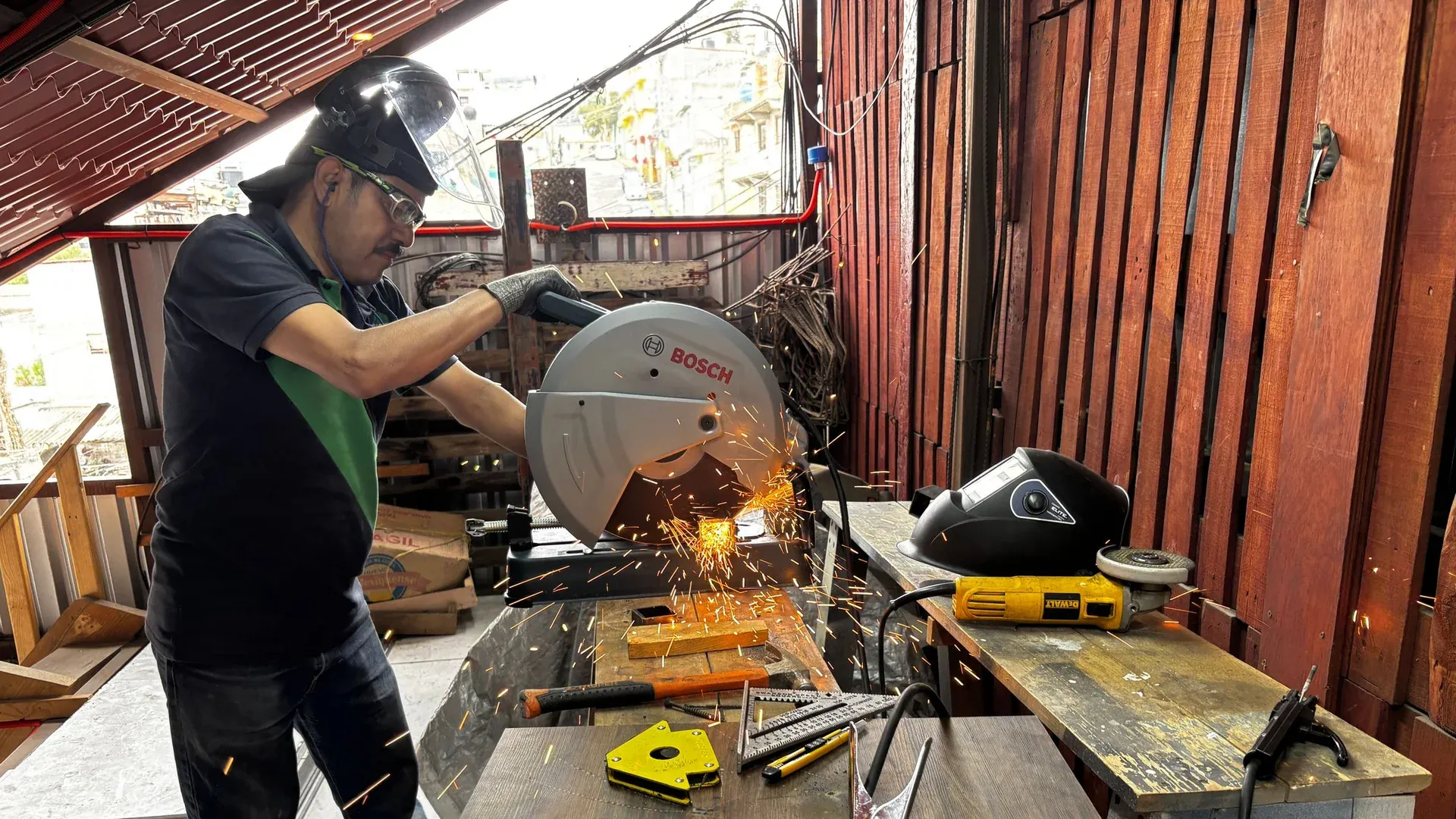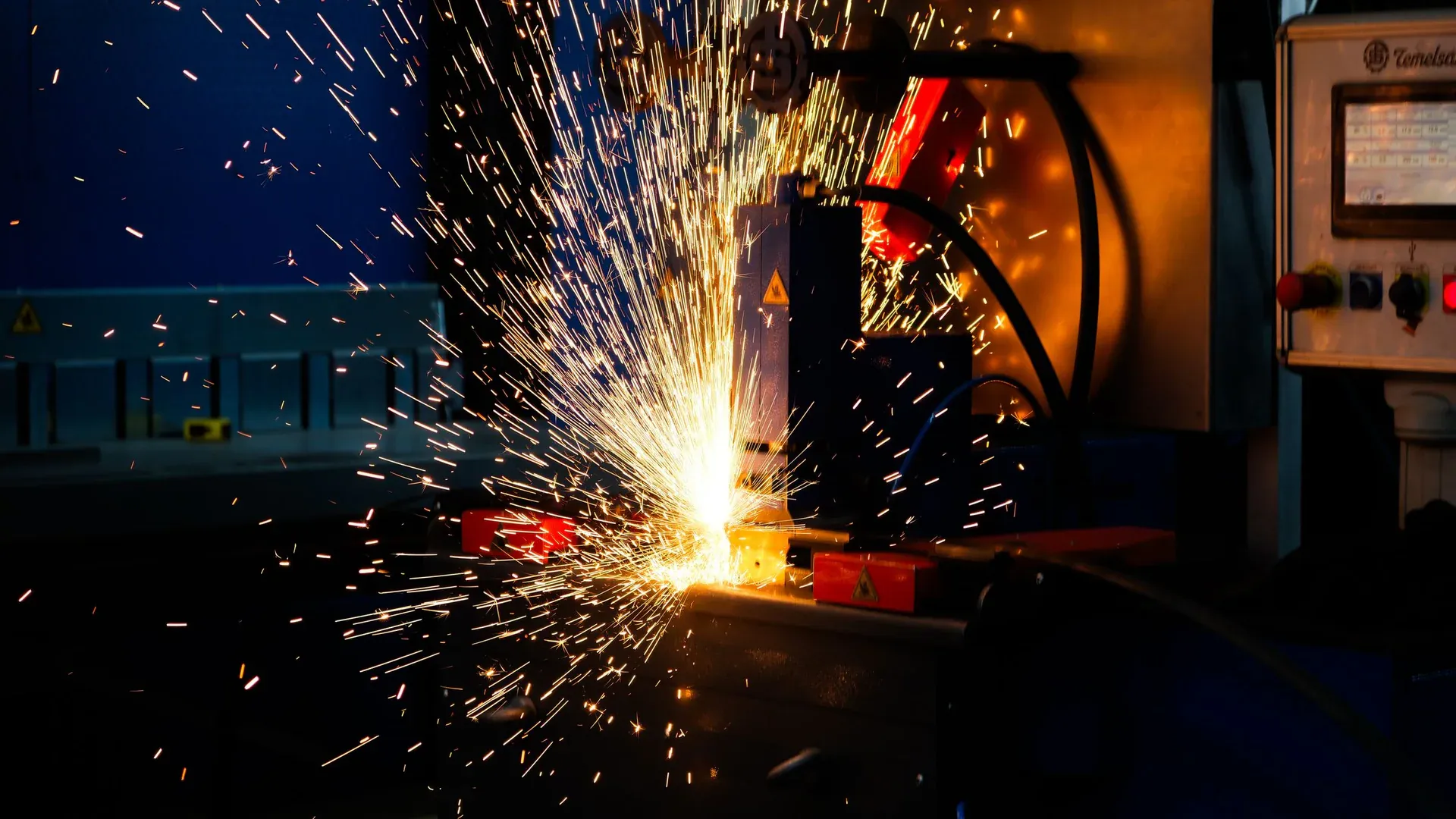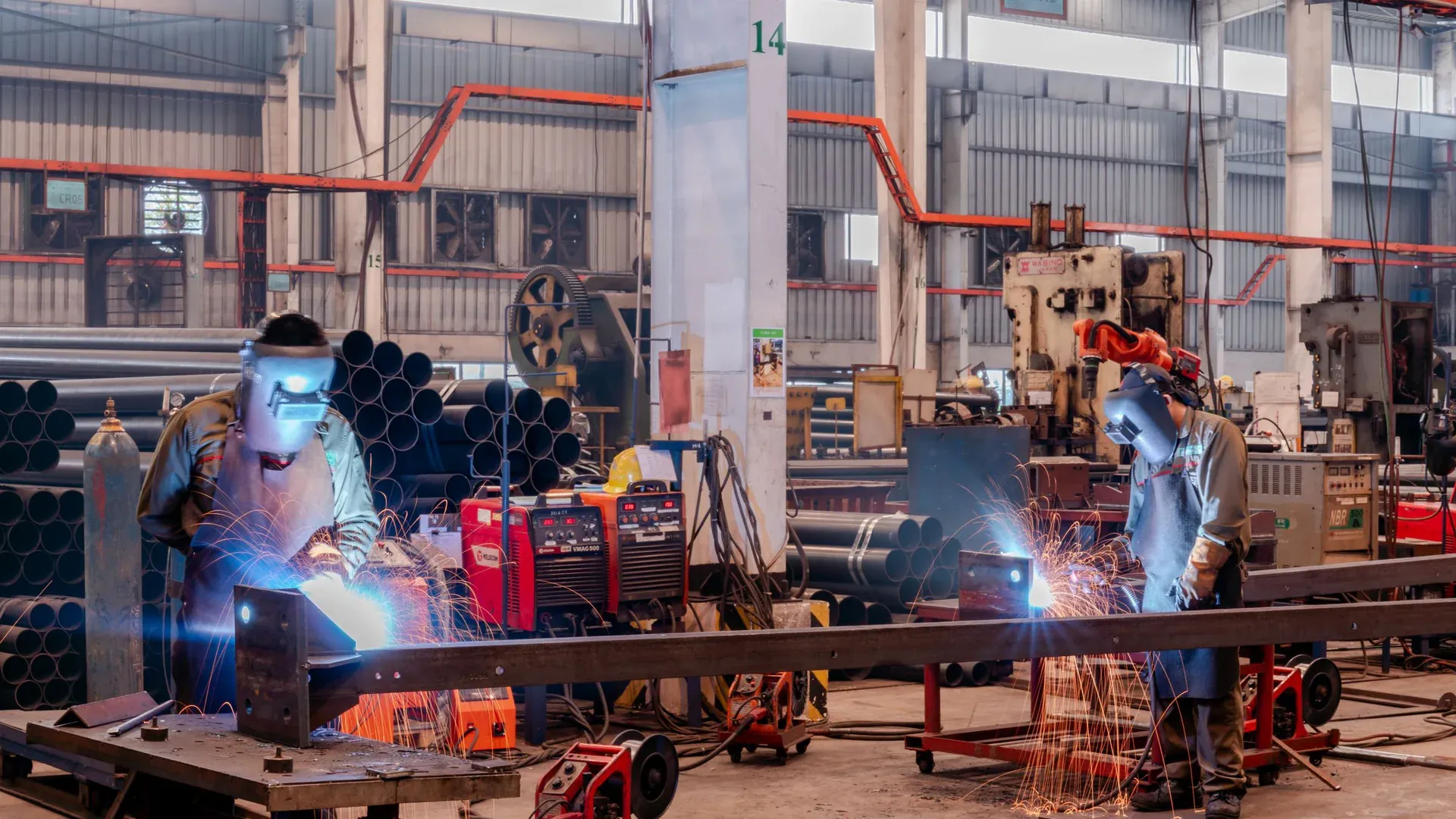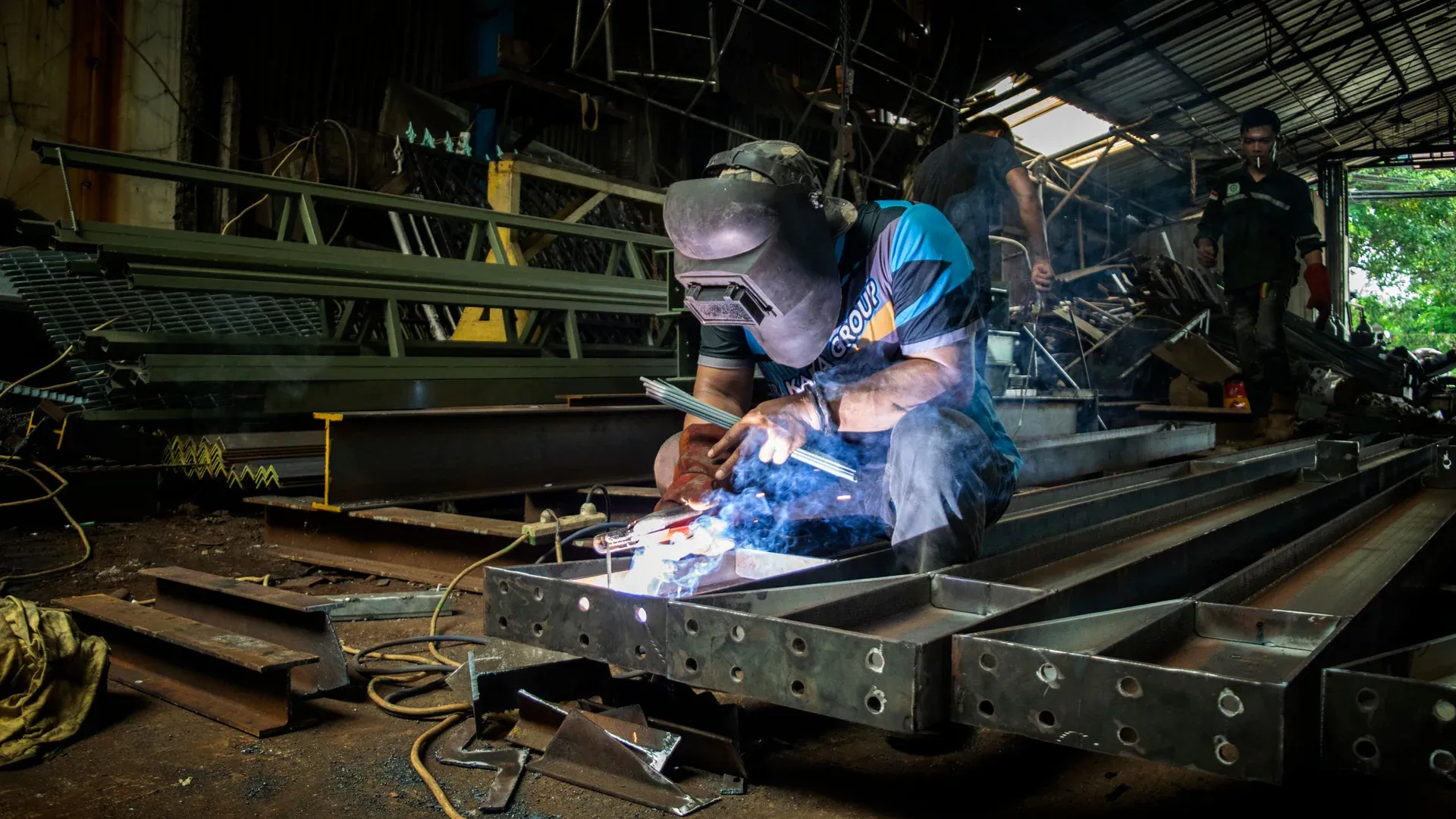
Copper Busbar Shearing vs Saw Cutting: Select by Edge and Throughput
Compare copper busbar shearing and saw cutting by edge condition, kerf, chips, cycle, downstream operations and sample-based acceptance.
Explore comprehensive publications, factory direct specifications, and engineering assessments categorized under Materials & Tooling.
Compare copper busbar shearing and saw cutting by edge condition, kerf, chips, cycle, downstream operations and sample-based acceptance.
Map rigid, stamped, flexible and laminated EV busbars to the correct fabrication equipment, process boundaries and sample-based acceptance tests.
Verify incoming copper busbar with traceable certificates, qualified eddy-current screening, ASTM B193 resistivity testing, temperature control, and clear retest rules.
Protect copper busbars in receiving, storage, work in process, and shipment with dry handling, level support, compatible packaging, lot control, and staged inspection.
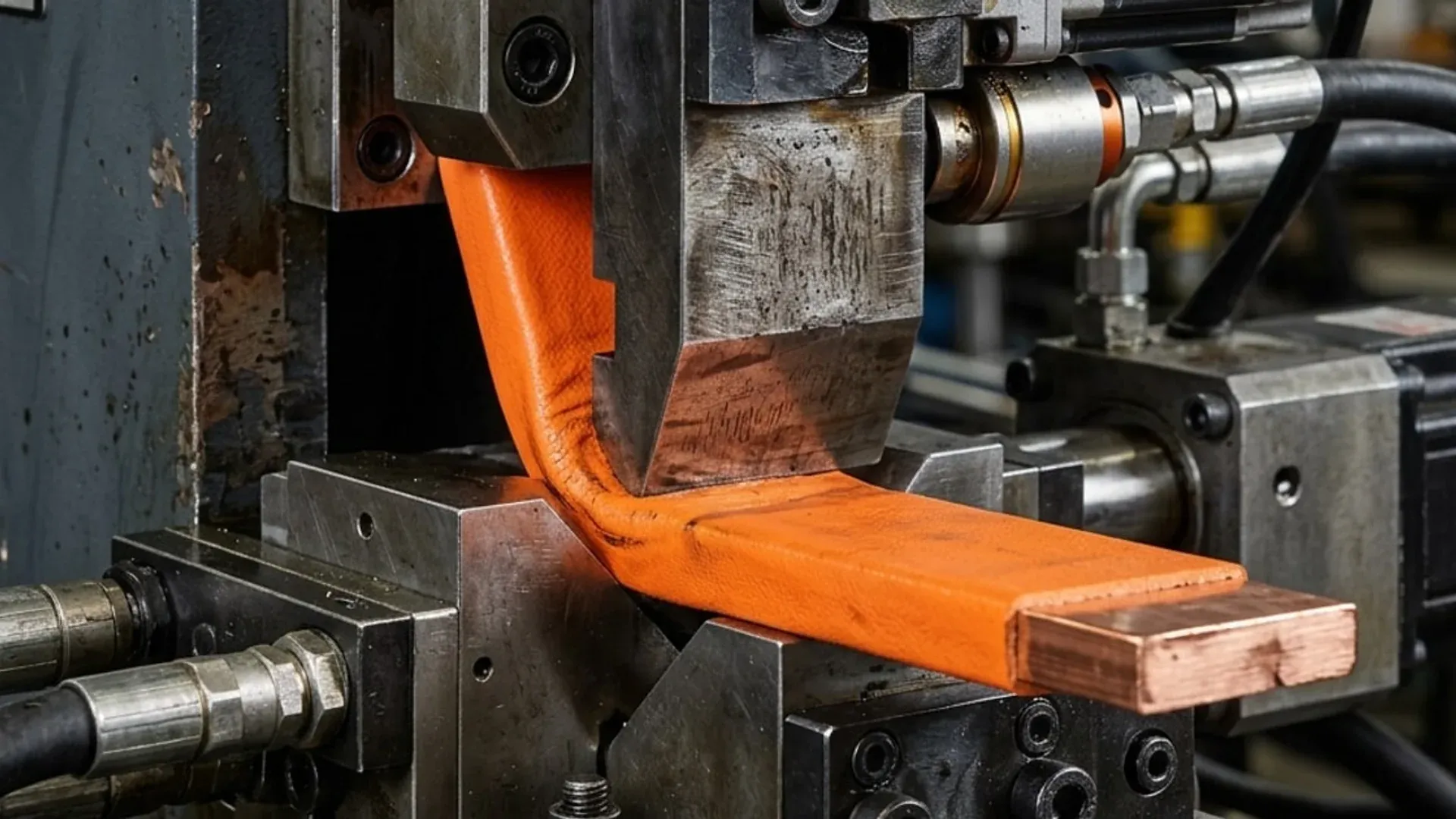
Control copper busbar forming by specifying alloy and temper, qualifying representative bend coupons, and treating annealing as a validated material process.
Compare C110, C101, and C102 copper for busbars by conductivity, oxygen content, temper, joining route, and material approval requirements.
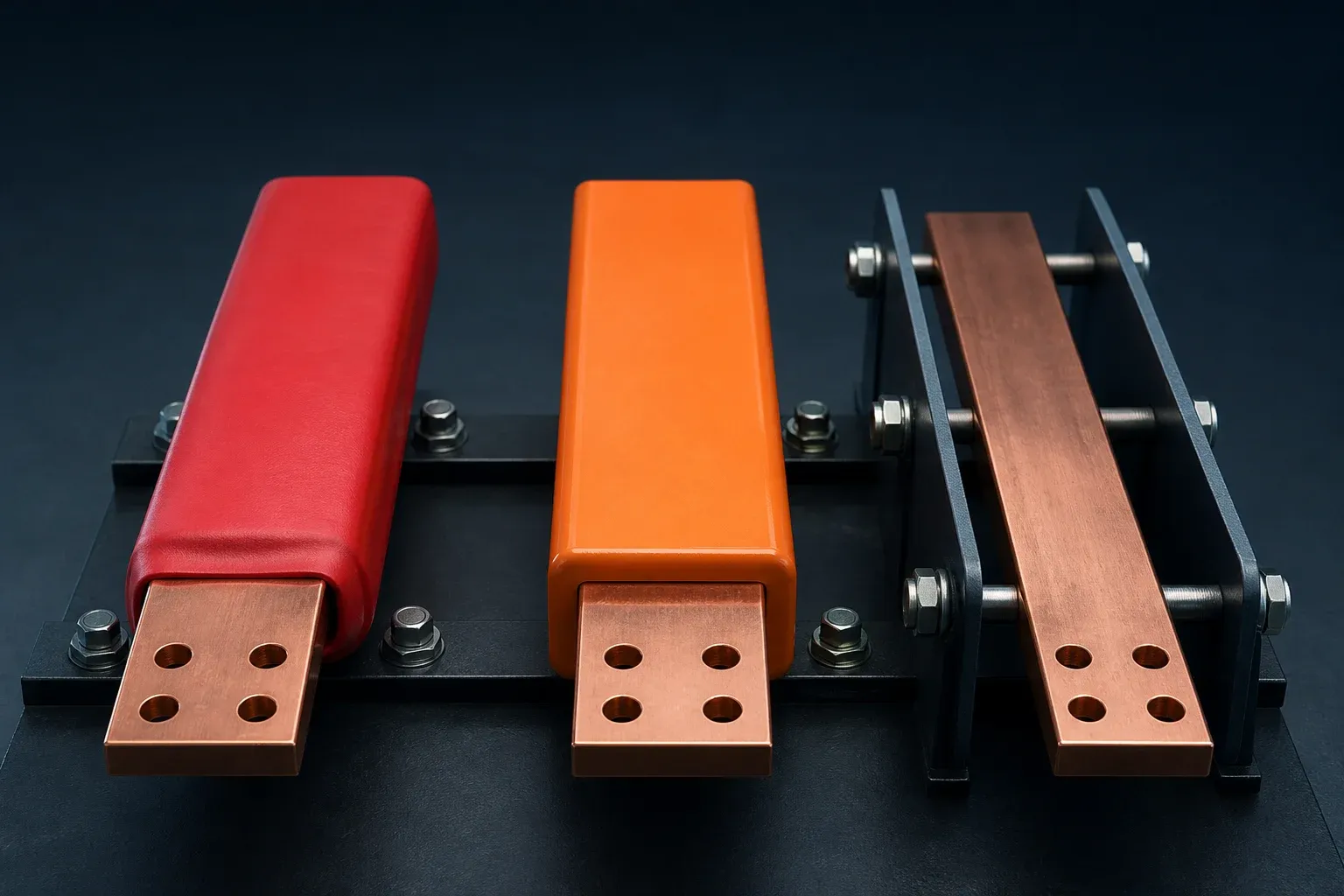
Compare heat-shrink tubing, epoxy or powder coating, molded barriers, and air-insulated busbars by voltage, temperature, maintenance, and manufacturing sequence.
At $11,000/ton copper vs. $2,800/ton aluminum, the material cost differential is 74%. But the switch isn't simple—aluminum requires 56% larger cross-section, different tooling clearances, and careful joint design. Here's the decision framework.
2026 procurement guide comparing electro-tinning, silver, and nickel plating costs per square meter amid $57-75/oz silver prices, with application-specific selection matrix for EV, switchgear, PV solar, and data center busbars.
Copper remains dominant for high-power EV traction packs, but aluminum is gaining 15-20% market share in 2026 as LME copper hits $13,300/ton. Decision matrix with real OEM data.
An in-depth technical analysis of how modern CNC busbar punching machines eliminate copper scrap, optimize tool nesting, and accelerate switchgear production lines.
An engineering deep dive comparing the specific CNC machining, punching, and bending requirements of copper versus aluminum bus bars for switchgear manufacturers looking to optimize production costs.
Bypass standard trading companies. Speak directly with our chief application engineers to configure precise machine voltages, die tooling tolerances, and secure direct volume quotes.